
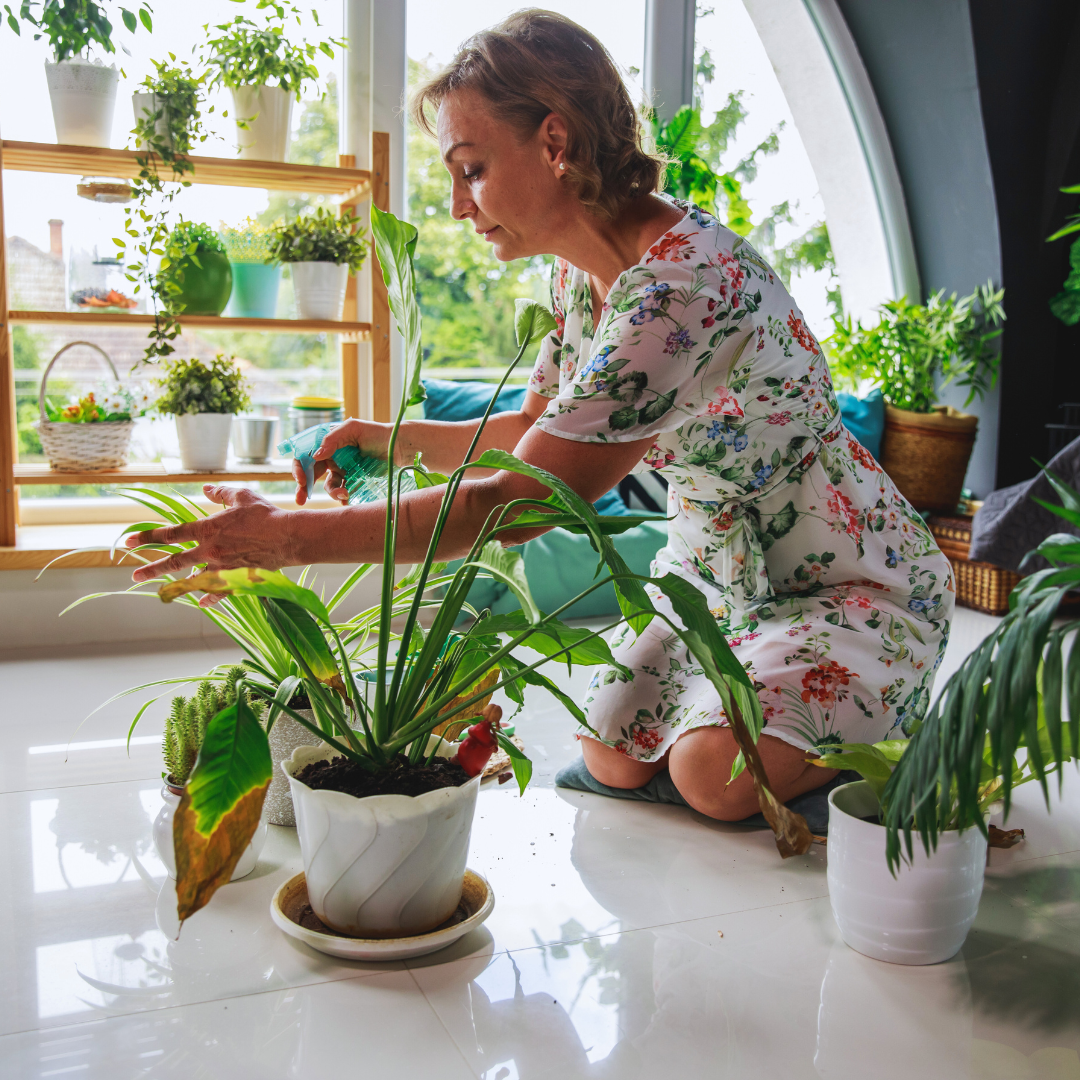
Sustainable gardening in urban spaces can seem challenging, but it is entirely feasible with the right approach. Maximising space through vertical gardening, utilising native plants, and implementing composting techniques can significantly enhance urban green spaces. Even the smallest balcony or windowsill can become a thriving garden with careful planning.
Urban gardeners often face limitations like minimal space and soil quality, yet they can employ innovative methods to grow healthy plants. Container gardening and raised beds offer practical solutions for those working with restricted areas. Additionally, incorporating rainwater collection systems can contribute to effective water management.
By adopting sustainable gardening practices, individuals not only improve their surroundings but also contribute to biodiversity and environmental health. Creating pollinator-friendly habitats and understanding how to manage bee nests humanely is part of that work; for example, services that specialise in humane bee relocation Phoenix and elsewhere can help relocate hives safely without harming bees or people. Small changes can lead to impactful results, making urban gardening a rewarding endeavour for anyone looking to enhance their living space.
Planning and Designing a Small Urban Garden
Creating a small urban garden requires careful consideration of available space and sunlight. Thoughtful design maximises utility and aesthetics while incorporating hardscaping features that can enhance functionality and appeal.
Assessing Sun Exposure and Space
Before planting, assessing sun exposure is crucial. Different plants require varying levels of sunlight, so it’s essential to observe how much direct sunlight the intended garden area receives throughout the day. Urban locations may have shadows cast by buildings or other structures, which can affect plant health.
Homeowners should measure the available space and consider vertical gardening options. Using trellises, wall-mounted planters, or hanging baskets can save ground space while providing room for a variety of plants. A garden layout that accommodates both sunlight and plant needs will optimise growth.
Effective Urban Garden Design Principles
Smart urban garden design involves maximising the limited space while keeping aesthetics in mind. Key principles include:
- Functional Zoning: Divide the garden into areas for different activities, such as planting, relaxing, or entertaining.
- Plant Selection: Choose plants that flourish in a small space. Opt for companion planting to enhance biodiversity and pest resistance.
- Containers and Raised Beds: These options allow better soil control and drainage while elevating the plants for easier access.
Incorporating native plants can also support local wildlife and ensure resilience against urban conditions.
Incorporating Hardscaping Elements
Hardscaping elements play a significant role in the functionality of a small urban garden. Pathways, patios, and seating areas can define spaces and provide practical access. Materials like gravel, stone, or bricks can create aesthetically pleasing surfaces that improve usability.
Their integration should consider drainage and maintenance. Effective hardscaping prevents soil erosion and enhances water management in a compact garden. Features like built-in benches or vertical planters can further optimise the space while adding visual interest.
Creative Planting Strategies for Limited Spaces
Limited spaces in urban areas require innovative solutions for gardening. Creative planting methods can significantly enhance growing potential while utilising the available space efficiently.
Maximising Vertical Space With Hanging Planters
Utilising vertical space is essential in small gardens. Hanging planters are an excellent choice for this purpose. They can be attached to walls, fences, or even balcony railings, making use of otherwise unused areas.
Selecting the right plants is vital. Herbs, trailing plants, and flowers like petunias or ferns thrive in hanging baskets. This approach not only saves ground space but also adds visual interest and greenery to walls.
It is important to ensure these planters have adequate drainage. Regular watering is necessary, but care should be taken to prevent excess water from damaging surfaces below. Vertical gardening with hanging planters can create a lush, green environment even in the tightest spaces.
Choosing Ideal Containers for Container Gardening
Container gardening allows for flexibility and mobility in small spaces. Choosing suitable containers is crucial for success. Containers should be lightweight for easy rearrangement and have proper drainage holes to avoid waterlogging.
Materials like terracotta, plastic, or metal each offer unique benefits. Terracotta pots provide excellent breathability, while plastic containers are more lightweight and often retain moisture better. The choice of material can affect plant health and maintenance requirements.
Selecting the right size is also essential. Larger containers hold more soil, which helps retain moisture and provides greater stability for plant roots. Mixing various-sized containers can create a dynamic garden layout, optimising both aesthetics and plant growth.
Sustainable Plant Choices and Maintenance
Selecting the right plants and implementing sound maintenance practices are essential for thriving, sustainable gardens in urban settings. Focusing on herbs and succulents allows for efficient space use and resource management.
Growing Herbs and Succulents in Urban Settings
Herbs are ideal for small urban gardens due to their minimal space requirements. Varieties such as basil, mint, and rosemary can thrive in pots or window boxes. They often require less care and provide fresh flavours for cooking.
Succulents, characterised by their water-storing capabilities, are another great choice. They can survive in less frequent watering, making them suitable for busy urbanites. Placement in well-draining pots is crucial to prevent root rot.
Key Considerations:
- Light: Ensure adequate sunlight for herbs and succulents.
- Soil: Use a quality potting mix tailored for specific plants.
- Fertilisers: Opt for organic fertilisers to maintain soil health.
Efficient Water Use and Pruning Techniques
Water conservation is vital in urban gardening. Techniques such as drip irrigation or watering early in the morning can minimise evaporation. Installing a rainwater collection system also aids in sustainable watering practices. Additionally, for gardeners with access to groundwater, a professional well system installation in Florida, or elsewhere, can provide an independent and consistent water source, thus offering a way for large scale watering needs.
Along with adopting smart watering methods, homeowners can also focus on enhancing the efficiency and appearance of their garden systems. Incorporating durable, thoughtfully designed features ensures both long-term performance and visual appeal. To complement these efforts, installing well covers made from solid glass can enhance both functionality and garden aesthetics. These covers protect wells from debris, insects, and accidental falls while allowing natural light to pass through, maintaining a clean and modern look that blends seamlessly into outdoor spaces.
Pruning plays a significant role in maintaining plant health. Regularly removing dead or overgrown parts promotes air circulation and helps prevent diseases. Pruning herbs encourages bushier growth and prolongs the harvest season.
Best Practices:
- Prune herbs after flowering to enhance leaf production.
- Use sharp shears for clean cuts to avoid damaging plants.
- Monitor soil moisture levels to optimise watering schedules.