
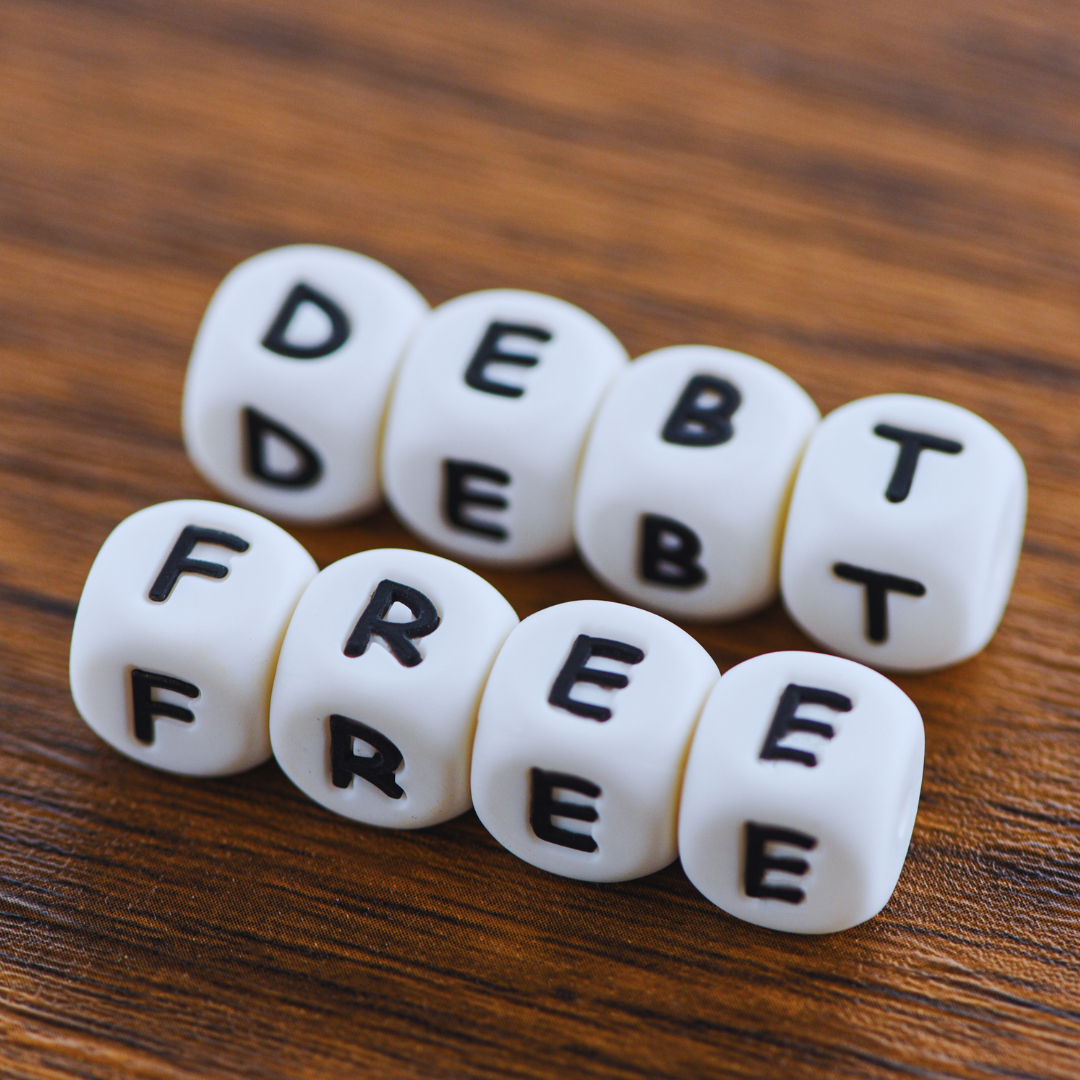
Many individuals find themselves struggling with debt, often feeling overwhelmed by payments and interest rates. Getting out of debt faster is achievable with straightforward strategies that can be implemented immediately. By understanding key methods of debt repayment, one can regain financial stability and reduce stress.
Budgeting effectively is a crucial first step toward debt freedom. By tracking spending and prioritising debts, individuals can allocate funds more efficiently. Additionally, exploring options like debt snowball or avalanche methods can enhance repayment efforts and lead to faster results.
It’s also essential to consider lifestyle adjustments that can free up extra cash for debt payments. Simple changes, such as cutting unnecessary expenses or finding additional income sources, can significantly impact the overall debt repayment journey. With determination and practical approaches, anyone can navigate the path to becoming debt-free.
Establishing Clear Financial Goals and Budgeting
Establishing financial goals and creating a robust budget are essential steps towards getting out of debt faster. It helps individuals clarify their priorities and manage their finances effectively.
Setting Achievable Financial Objectives
Setting specific, measurable, and attainable financial objectives is crucial. She should identify goals such as paying off a particular credit card or saving a set amount for a financial emergency.
Using the SMART criteria can aid in formulating these goals:
- Specific: Define exactly what is to be achieved.
- Measurable: Set criteria for measuring progress.
- Achievable: Ensure the objective is realistic.
- Relevant: Align goals with overall financial health.
- Time-bound: Set deadlines for achieving these targets.
This clarity empowers individuals, providing a pathway out of debt.
Creating and Maintaining a Realistic Budget
A budget is a practical tool for tracking income against expenses. Developing a realistic budget begins with listing all sources of income and fixed costs.
It may help to create categories for flexibility:
- Fixed Expenses: Rent, utilities, loan payments
- Variable Expenses: Groceries, entertainment, transport
Using a budget calculator can simplify this process. Regularly reviewing and adjusting the budget is vital. This ensures it reflects current financial circumstances, allowing for more effective spending management.
Identifying Essential Expenses Against Wants
Differentiating between essential expenses and discretionary wants is key to controlling finances. It encourages prioritisation, ensuring that necessities are met first.
Essential Expenses typically include:
- Housing (rent/mortgage)
- Utilities (electricity, water)
- Groceries
Wants are non-essential items, such as:
- Dining out
- Subscriptions (streaming services)
- Luxury goods
Tracking spending habits can reveal patterns. Identifying areas to cut back can lead to significant savings, directly contributing to debt repayment. This mindful approach can improve financial stability gradually.
Prioritising and Structuring Debt Repayment
Successfully tackling debt requires a clear approach to prioritisation and an effective repayment structure. To reduce debt efficiently, identifying the types of debt and selecting the right strategies is essential for optimal financial management.
Understanding Different Types of Debt
Debt comes in various forms, each requiring a tailored approach. Common types include:
- Credit Card Debt: This often carries high interest rates, making it a priority for repayment.
- Personal Loans: These typically have fixed terms and interest rates, contributing to predictability in repayment.
- Student Loans: They may offer deferred payments and lower interest rates but should also be managed diligently.
Understanding the characteristics of each type helps in formulating a repayment strategy. Notably, prioritising high-interest debts can save money in the long run.
Exploring the Debt Avalanche Strategy
The debt avalanche strategy focuses on paying off debts with the highest interest rates first. This method minimises the overall interest paid and shortens the repayment timeline.
- List Debts: Start by listing all debts by interest rate, from highest to lowest.
- Minimum Payments: Continue making minimum payments on all debts except the one with the highest rate.
- Extra Payments: Allocate any additional funds toward the highest-interest debt until it is paid off.
Once the highest debt is cleared, the focus shifts to the next highest rate, creating a cascade effect. This approach can lead to substantial savings over time.
Utilising the Debt Snowball Method
The debt snowball method offers a motivational pathway by prioritising smaller debts first. This involves:
- List Debts: Arrange debts from smallest to largest.
- Minimum Payments: Make minimum payments on all debts, except for the smallest.
- Extra Payments: Direct extra funds toward the smallest debt until it is paid off.
Upon elimination of the smallest debt, the repayment focus changes to the next smallest. This process builds momentum and motivation, making debt repayment feel more achievable.
Selecting the appropriate repayment strategy can significantly impact an individual’s path to financial freedom. Each method has its own benefits, and a clear understanding allows for a personalised approach to debt management.
Reducing Interest and Consolidating Debt
Reducing interest rates and consolidating debt are effective strategies for paying off debt faster. By managing interest expenses, individuals can allocate more money towards their principal balance. Consolidation can simplify payments and potentially lower overall interest rates.
Negotiating Lower Interest Rates
Many financial institutions offer opportunities to negotiate lower interest rates on credit cards and loans. This can significantly reduce monthly payments and total interest paid over time.
To start, individuals should review their current interest rates and compare them with market averages. Highlighting a strong payment history and existing customer loyalty can strengthen the case for a lower rate. It’s beneficial to contact the lender directly, either by phone or in writing, and ask for a reduction.
If successful, even a small reduction can save hundreds or thousands in the long run.
Leveraging Balance Transfers
Balance transfer credit cards can be a useful tool for reducing interest rates. These cards typically offer an introductory 0% interest rate for a specific period, allowing individuals to transfer existing balances and save money on interest.
Before choosing a balance transfer option, it is essential to review the terms and conditions. Look for any transfer fees and the duration of the promotional rate. Additionally, individuals should aim to pay off the balance within the promotional period to avoid high interest rates thereafter.
By strategically using a balance transfer, they can streamline payments and decrease the total debt burden.
Applying for Debt Consolidation Loans
Debt consolidation loans enable individuals to combine multiple debts into a single loan with a potentially lower interest rate. This simplifies debt management by reducing the number of monthly payments.
The process typically involves applying for a loan through a bank or credit union and using the funds to pay off existing debts. Interest rates on these loans often depend on credit score, income, and debt-to-income ratio.
It is important to compare various lenders to find the best terms. A low interest rate can lead to significant savings over the loan’s life. Before proceeding, individuals should ensure that they can comfortably meet the new monthly payment schedule.
Managing Credit and Addressing Long-Term Solutions
Managing credit effectively is essential for long-term financial health. This involves improving credit scores, exploring debt management options, and being aware of bankruptcy implications.
Improving Your Credit Score and History
A strong credit score is crucial for obtaining favourable borrowing terms. To improve this score, individuals should regularly check their credit reports for errors and dispute inaccuracies. They should also ensure timely payments for bills and outstanding debts.
Keeping credit utilisation below 30% of available credit is advisable. Diversifying credit types wisely, such as combining credit cards with instalment loans, can positively affect scores. Moreover, avoiding new hard inquiries by not opening multiple accounts simultaneously can help maintain a healthy credit history.
Seeking Debt Management Plans and Professional Help
Debt management plans (DMPs) are structured repayment schemes offered by credit counselling agencies. These plans can help individuals manage debt more effectively by negotiating lower interest rates with creditors. In a DMP, regular payments are made to the agency, which then distributes funds to creditors.
It’s essential to research and choose a reputable agency. Accredited agencies can provide tailored advice based on individual financial situations. Professional help can lead to strategies that may not be visible to individuals, making them an essential resource.
Considering Bankruptcy or Insolvency as a Last Resort
Bankruptcy or insolvency should be considered only when other options have been exhausted. This process can discharge unsecured debts, allowing individuals to start anew financially. However, it involves significant impacts, such as a more considerable decline in credit scores and lasting marks on credit reports.
Individuals exploring this option must understand different types of bankruptcy, such as Chapter 7 and Chapter 13, and the implications of each. Consulting with a financial advisor or a bankruptcy attorney can provide critical insights, ensuring informed decisions are made. They should weigh the pros and cons carefully to avoid regrettable outcomes.