
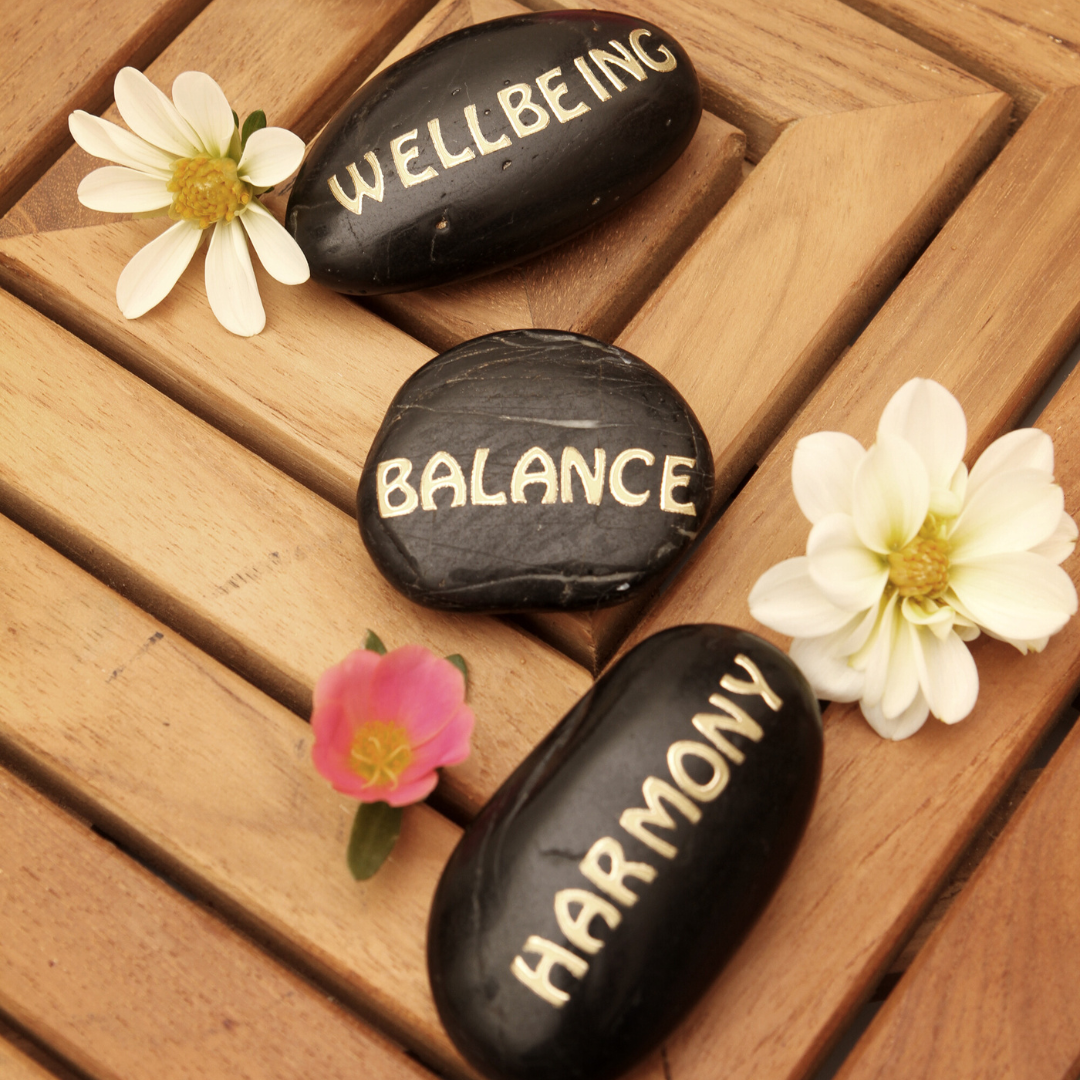
Creating a personal wellness plan involves identifying your physical, mental, and emotional health needs, setting realistic goals, and developing daily habits that support those goals. A successful wellness plan is tailored specifically to your lifestyle and priorities, ensuring it is manageable and effective.
To start, assess your current wellness status honestly and decide which areas need attention. Building a plan around clear goals and practical steps makes it more likely that you will stay committed over time.
Understanding Personal Wellness
Personal wellness involves multiple aspects of life, including physical health, emotional balance, and social connections. It requires intentional actions tailored to unique needs and circumstances. Knowing what wellness truly means helps develop a plan suited to individual goals and challenges.
Dimensions of Wellness
Wellness is multi-dimensional, typically comprising these key areas:
- Physical: Exercise, nutrition, sleep, and medical care.
- Emotional: Managing stress, recognising feelings, and seeking support.
- Social: Relationships, community involvement, and communication skills.
- Intellectual: Learning, creativity, and problem-solving.
- Occupational: Job satisfaction, work-life balance, and career growth.
- Spiritual: Values, purpose, and connection beyond oneself.
Balancing these areas improves overall well-being. Ignoring any dimension can create gaps in health and happiness.
Benefits of a Personalised Plan
A wellness plan tailored to specific needs offers several advantages:
- Focused Goals: Prioritises actions relevant to one’s lifestyle and values.
- Improved Motivation: Customised steps increase commitment and consistency.
- Adaptability: Plans can evolve with changing health or life circumstances.
- Better Resource Use: Efficiently allocates time and energy where they matter most.
This approach increases the chance of lasting positive changes compared to generic advice.
Common Myths About Wellness
Several misconceptions can hinder progress:
- Wellness is not only physical health: It includes mental, social, and emotional factors.
- One plan fits all: Personalised plans cater to individual differences.
- Wellness requires perfection: Small, consistent steps are more effective.
- It’s only for those with problems: Everyone benefits, even when healthy.
Recognising these myths helps set realistic expectations and maintain a balanced approach.
Assessing Your Current Wellness
Understanding your current state of wellness is essential before making changes. This involves evaluating physical, mental, and emotional health through practical methods, recognising where you excel or struggle, and establishing achievable goals that match your lifestyle.
Self-Assessment Tools
Self-assessment tools help quantify your wellness by tracking habits, symptoms, and moods. Popular options include wellness questionnaires, health apps, and journals. For example, using a sleep tracker highlights patterns affecting energy levels, while mental health surveys reveal stress or anxiety signs.
Choose tools that suit your needs and provide clear data on areas like diet, exercise, sleep, and stress. Regularly reviewing this information creates a baseline. This baseline informs what needs attention and marks progress over time.
Identifying Strengths and Weaknesses
Review collected data to pinpoint wellness strengths and weaknesses. Strengths might be consistent exercise habits or good sleep quality. Weaknesses could include poor nutrition or frequent feelings of anxiety.
Be specific when listing these areas. For example, note if you exercise three days a week or if stress peaks during work hours. This clarity helps prioritise which habits to maintain and which to improve.
Setting Realistic Goals
Effective goals are specific, measurable, and attainable. Instead of vague aims like “eat healthier,” set a target such as “include vegetables in two meals daily.” Use the SMART framework: Specific, Measurable, Achievable, Relevant, Time-bound.
Start with small steps. Setting incremental goals increases motivation and reduces burnout. Record deadlines and checkpoints to review progress regularly. Adjust goals as needed based on your ongoing wellness assessment.
Setting Wellness Goals
Wellness goals provide structure to your personal plan. They help track progress and maintain motivation. Defining clear, meaningful objectives is key to creating actionable steps.
Short-Term Objectives
Short-term objectives are specific targets set to be achieved in days or weeks. These might include drinking eight glasses of water daily or walking for 20 minutes three times a week. These goals should be clear and manageable to build momentum.
Breaking larger wellness aims into smaller steps prevents overwhelm. Regularly reviewing these objectives allows for adjustments based on progress or new challenges. Examples include scheduling a weekly meditation session or preparing healthy meals each day.
Tracking short-term achievements fosters confidence and keeps your wellness plan flexible to adapt to your lifestyle changes.
Long-Term Vision
Long-term vision focuses on broad outcomes that define your overall wellness. These goals often span months or years, such as improving cardiovascular health or reducing stress levels significantly. They should align with your values and overall life purpose.
Creating a long-term vision involves reflecting on where you want to be physically, mentally, and emotionally. This vision acts as a guiding star, helping prioritise daily habits.
Writing down your long-term goals increases commitment. Revisiting this vision periodically ensures it remains relevant and motivating.
SMART Goal Framework
The SMART framework defines effective goal setting by ensuring goals are Specific, Measurable, Achievable, Relevant, and Time-bound. This clarity increases the likelihood of success.
- Specific: Define the goal clearly (e.g., “Exercise 30 minutes daily”).
- Measurable: Include quantifiable criteria (e.g., “Track steps using a pedometer”).
- Achievable: Ensure the goal is realistic (e.g., consider your schedule).
- Relevant: Align with personal wellness priorities.
- Time-bound: Set deadlines or checkpoints.
Using SMART criteria improves focus and accountability. It also helps identify potential obstacles early, making the wellness journey more structured and attainable.
Developing Your Personal Wellness Plan
Building a wellness plan involves focusing on specific areas that need improvement, outlining clear actions, and regularly reviewing your progress. The process requires defining what matters most, setting achievable steps, and using tools to measure success.
Selecting Wellness Priorities
Begin by identifying the key areas of your life that need attention, such as physical health, mental well-being, or social relationships. Prioritise goals based on what will have the most impact on your overall wellness.
Use a simple ranking system to assess importance and feasibility:
| Priority Area | Impact Level (1-5) | Ease of Change (1-5) | Notes |
| Physical Fitness | 5 | 3 | Improve energy levels |
| Stress Management | 4 | 4 | Reduce anxiety symptoms |
| Sleep Quality | 5 | 2 | Enhance daily recovery |
Focus on 2-3 priorities at a time to maintain manageability. Avoid overwhelming yourself with too many goals.
Creating Action Steps
Transform priorities into specific, measurable tasks. If physical fitness is a priority, action steps might include exercising 30 minutes, 3 times a week, or walking 10,000 steps daily.
Make steps SMART:
- Specific: Define exact activities
- Measurable: Set criteria to know when complete
- Achievable: Ensure goals are realistic
- Relevant: Align with your wellness priority
- Time-bound: Set deadlines or schedules
For example:
- Join a local gym by next Monday
- Schedule yoga sessions every Tuesday and Thursday morning
- Prepare balanced meals on Sundays
Breaking tasks into smaller steps increases the chance of success.
Tracking Progress
Consistent monitoring helps stay accountable and adapt the plan as needed. Use journals, apps, or spreadsheets to record activities and outcomes.
Key points to track include:
- Frequency of completed actions
- Changes in physical or mental symptoms
- Feelings of motivation or setbacks
Review weekly or monthly to measure improvement. Adjust action steps if progress stalls or new challenges arise.
Set reminders and celebrate milestones to maintain momentum. This makes your wellness plan a dynamic, evolving process.
Incorporating Healthy Lifestyle Habits
Achieving a balanced wellness plan requires attention to diet, exercise, and rest. Each of these areas directly impacts energy levels, mental clarity, and overall health. Small, consistent changes are often more effective than drastic shifts.
Nutrition and Hydration
Focus on whole foods like vegetables, fruits, lean proteins, and whole grains for steady energy and improved digestion. Avoid excessive processed foods high in sugar and unhealthy fats.
Drink plenty of water daily—aim for about 8 cups (64 ounces) or more, adjusting for activity level and climate. Staying hydrated supports metabolism and cognitive function.
Planning meals ahead can reduce impulsive eating. Incorporate balanced portions of carbohydrates, proteins, and fats to stabilise blood sugar and mood throughout the day.
Physical Activity
Aim for at least 150 minutes of moderate aerobic exercise per week, such as brisk walking or cycling. Include strength training exercises two days per week to maintain muscle mass and support metabolism.
Consistency matters more than intensity. Short, daily movements improve circulation and reduce stress. Stretching and mobility work also enhance recovery and prevent injuries.
Find activities that are enjoyable to improve adherence. Variety helps engage different muscle groups and keeps routines interesting.
Rest and Sleep
Prioritise 7 to 9 hours of quality sleep per night to improve cognition, mood, and immune function. Establish a regular sleep schedule, even on weekends.
Limit screen exposure at least an hour before bed to enhance melatonin production. Create a comfortable, dark, and cool bedroom environment.
Incorporate relaxation techniques, such as deep breathing or meditation, to wind down and prepare the body for restful sleep. Avoid caffeine and heavy meals close to bedtime.
Enhancing Mental and Emotional Well-Being
Improving mental and emotional health involves practical steps to manage stress, practice mindfulness, and strengthen resilience. These approaches support maintaining balance during daily challenges and promote long-term psychological stability.
Stress Management Techniques
Effective stress management begins with identifying stress triggers. Tracking daily activities and moods can reveal patterns that cause tension. Once identified, techniques such as deep breathing exercises, progressive muscle relaxation, or time management strategies reduce stress impact.
Setting realistic goals and breaking tasks into smaller steps prevents overwhelm. Regular physical activity, like walking or yoga, also lowers stress hormones. Prioritise sleep hygiene—consistent bedtimes and a comfortable environment enhance recovery from daily stress.
Limiting exposure to negative news or social media can prevent unnecessary anxiety. Support networks, including friends, family, or professionals, provide outlets for discussing stress and gaining perspective.
Mindfulness Practices
Mindfulness involves focused awareness on the present moment without judgment. Simple methods include mindful breathing, body scans, or observing surroundings in detail. Practising mindfulness regularly increases emotional regulation and decreases negative thought patterns.
Starting with short sessions (5-10 minutes daily) helps build consistency. Mobile apps and guided meditations can assist beginners. Mindfulness encourages acceptance of feelings and reduces impulsive reactions, improving decision-making and patience.
Incorporating mindfulness into daily routines—such as mindful eating or walking—boosts sustained attention and decreases stress responses. Over time, this practice fosters a calm mental state and enhances self-awareness.
Building Resilience
Resilience is the ability to bounce back from adversity. Developing resilience begins by cultivating a growth mindset—view setbacks as learning opportunities rather than failures. This shift encourages problem-solving and adaptability.
Strong social connections provide emotional support essential for resilience. Seek relationships that foster trust and open communication. Additionally, maintaining physical health through exercise and nutrition supports mental strength.
Practising self-compassion reduces harsh self-criticism during tough times. Setting small, achievable goals builds confidence and reinforces perseverance. Keeping a gratitude journal can help maintain perspective and highlight positive experiences despite challenges.
Building a Supportive Environment
Creating conditions that encourage wellness requires intentional planning around relationships, time management, and personal limits. Identifying the right support sources, balancing responsibilities, and defining clear boundaries helps sustain your health goals.
Social Support Networks
Strong social connections provide emotional encouragement, practical help, and a sense of belonging. Focus on nurturing relationships with family, close friends, and community groups who understand your wellness objectives. These networks can motivate accountability and provide feedback when challenges arise.
Involve people who respect your personal wellness plan and contribute positively to your mindset. Engage regularly through calls, meetings, or shared activities. Consider joining wellness-oriented groups or forums to expand your network and access diverse perspectives.
Work-Life Balance
Balancing professional duties with personal health is essential to avoid burnout. Prioritise tasks by urgency and importance, and use tools like calendars or apps to schedule downtime intentionally.
Set specific work hours and protect personal time for exercise, rest, or hobbies without intrusion. Communicate your availability clearly to colleagues and supervisors. Regular breaks during work hours improve focus and energy levels, supporting sustained productivity.
Setting Boundaries
Establishing firm boundaries preserves your mental and physical wellness amid external demands. Identify areas where saying no is necessary to protect your time and energy.
Be explicit about limits with family, friends, and coworkers. For example, designate phone-free times or off-limits work hours. Reinforce boundaries calmly but consistently to prevent overcommitment and stress accumulation.
Monitoring and Adjusting Your Plan
Tracking progress regularly allows you to identify what is working and what needs to change. Addressing obstacles promptly keeps your plan realistic and sustainable. Recognising successes motivates continued effort and reinforces positive habits.
Evaluating Outcomes
Set specific checkpoints to review your wellness goals. Use measurable indicators like hours of sleep, frequency of exercise, or mood logs. Journaling or using apps can help maintain accurate records.
Compare your current status against these benchmarks every 1-2 weeks. Note improvements and setbacks, then analyse the reasons behind them. This process highlights patterns that inform necessary adjustments.
Be honest about your experience. If some strategies don’t yield expected results, revise or replace them. Staying flexible ensures your plan remains aligned with your evolving needs.
Overcoming Challenges
Identify common barriers such as time constraints, motivation dips, or external stressors. Develop solutions tailored to these issues, for example, scheduling shorter workouts or setting reminders.
Create a support system involving friends, family, or wellness communities. Accountability partners increase commitment and provide encouragement during difficult times.
Adapt your plan proactively when obstacles arise. This might mean adjusting goals, altering routine components, or seeking professional advice.
Celebrating Achievements
Acknowledge milestones, no matter the size, to reinforce positive change. Use rewards tied to your wellness goals, like a massage or new workout gear.
Keep a visual tracker such as a calendar or progress chart. Seeing your achievements boosts confidence and sustains momentum.
Reflect regularly on improvements in physical, mental, or emotional health. Celebrations build a positive feedback loop that supports long-term wellness adherence.
Sustaining Long-Term Wellness
Consistency and adaptability are crucial to maintaining wellness over time. Finding ways to stay engaged and pushing for gradual, ongoing progress helps prevent stagnation and burnout.
Maintaining Motivation
Setting clear, measurable goals creates a practical framework to track progress and maintain focus. Break larger goals into weekly or monthly milestones to provide regular achievement markers that reinforce commitment.
Use reminders and accountability tools like apps or support groups to reinforce habits. Celebrate small wins to boost confidence and prevent discouragement during plateaus.
Identify barriers early, such as time constraints or fatigue, and develop specific strategies to address them. For example, scheduling workouts during less busy times or adjusting intensity to match energy levels helps maintain consistency.
Continual Self-Improvement
Regularly reassess your wellness plan to identify areas needing adjustment. Adapt your strategy based on changing circumstances, new information, or evolving personal goals.
Incorporate learning by reading relevant books, attending workshops, or consulting professionals. This keeps your approach evidence-based and tailored to current needs.
Apply a cycle of reflection and action: review recent outcomes, identify strengths and weaknesses, then modify actions accordingly. This process supports sustainable growth without overwhelming changes.