
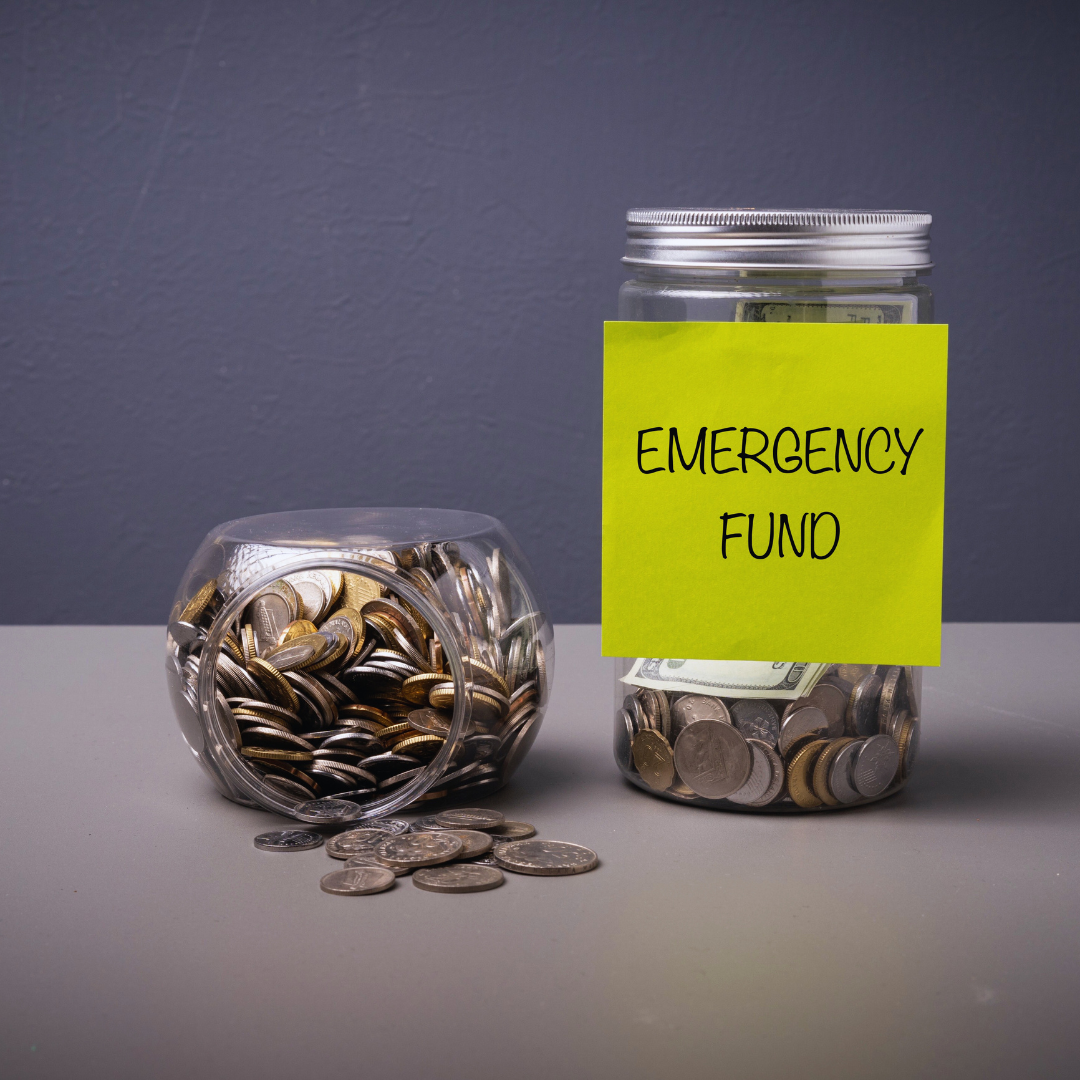
In today’s unpredictable world, having an emergency fund is essential for financial security. Building this fund does not have to be a stressful ordeal; with a clear plan and consistent effort, anyone can create a safety net that provides peace of mind. Many individuals feel intimidated by the idea of saving, but simple strategies can make the process manageable and even enjoyable.
Effective budgeting plays a crucial role in saving for an emergency fund. By evaluating current expenses and identifying areas to reduce spending, one can redirect those savings toward the fund effortlessly. Implementing small, incremental changes can lead to significant contributions over time, allowing for gradual progress without overwhelming pressure.
Additionally, automating savings can ease the burden. Setting up automatic transfers to a separate savings account ensures that funds are consistently allocated without requiring ongoing effort. This approach helps individuals build their emergency fund steadily, freeing them from the stress of having to remember to save regularly.
Understanding the Importance of an Emergency Fund
Having an emergency fund is crucial for managing financial stability during unexpected events. It provides a safety net, reducing the stress associated with sudden expenses. Here’s why it matters.
Why You Need Emergency Savings
Emergency savings act as a buffer against unforeseen costs, such as car repairs or medical bills. This can also include essential home repairs, like hiring emergency plumbers in London (or elsewhere), for a burst pipe or a blocked drain. These issues can quickly become a major problem if not taken care of swiftly. Without emergency funds, individuals might resort to loans or credit cards, leading to debt.
Setting aside funds for emergencies helps maintain a sense of security. It enables people to handle unexpected financial setbacks without significantly disrupting their living standards.
Financial experts recommend saving three to six months’ worth of living expenses. This amount can cover essentials like rent, utilities, and food during a crisis.
Common Sources of Financial Stress
Unexpected expenses are common sources of financial stress. Car accidents, medical emergencies, and home repairs can arise suddenly, often requiring immediate funds.
Without an emergency fund, these situations can lead to significant anxiety and financial strain. They may force individuals to make hasty decisions, like dipping into retirement savings or taking high-interest loans.
A lack of savings can create a cycle of stress, affecting overall well-being. Financial stability allows individuals to focus on their long-term goals rather than worry about immediate financial obligations.
Evaluating Your Current Financial Situation
To build an effective emergency fund, assessing one’s current financial situation is essential. This evaluation includes analysing income, fixed expenses, and discretionary spending.
Creating a budget can provide clarity. Individuals should identify areas where they can cut back to allocate more towards savings.
Regularly reviewing financial goals and updating them as circumstances change will enhance resilience. Adjustments may be necessary based on changes in income or lifestyle.
Ultimately, establishing a clear picture of finances is the first step towards achieving a solid emergency fund.
Setting Realistic Savings Goals for Emergencies
Establishing practical savings goals is vital for effectively building an emergency fund. A clear understanding of living expenses, defining specific savings targets, and identifying appropriate amounts can ease the process of saving without added stress.
Calculating Your Essential Living Expenses
To set realistic savings goals, one must first determine essential living expenses. These include:
- Housing costs: Rent or mortgage payments.
- Utilities: Electricity, water, gas, and internet bills.
- Groceries: Monthly food costs based on dietary needs.
- Transportation: Fuel, public transport, or vehicle maintenance.
Creating a detailed budget is essential. By listing fixed and variable expenses, an individual can develop a clearer picture of their monthly financial needs. This budget helps identify how much money they can allocate towards an emergency fund each month.
How to Define Your Savings Goal
Defining a savings goal involves considering both short-term and long-term needs. A common guideline is to aim for three to six months’ worth of living expenses.
To set this goal, use the total from the previous section. Multiply monthly essential living expenses by the number of months you wish to cover. Divide this total by the time frame you choose, such as 12 months, to create a manageable monthly savings target. This structured approach reduces the potential stress associated with saving.
Identifying the Right Emergency Fund Amount
Choosing the appropriate emergency fund amount depends on individual circumstances. Some factors to consider include:
- Job stability: Those with more secure employment might save less than someone in a fluctuating job market.
- Health requirements: Extra savings may be necessary for those with ongoing medical expenses.
- Dependents: Families may need larger emergency funds due to added responsibilities.
A recommended starting point is saving a minimum of £1,000 and progressively building towards the ideal amount based on established savings goals. Regularly reassessing the fund ensures it remains relevant to changing circumstances.
Stress-Free Strategies for Building Your Emergency Fund
Establishing an emergency fund doesn’t have to be taxing. By implementing the right strategies, it is possible to save efficiently and effectively without unnecessary stress. Below are some practical methods for building an emergency fund with ease.
Budgeting Without Feeling Overwhelmed
Creating a budget is fundamental for building an emergency fund. It helps in tracking income and expenses while allocating specific amounts for savings.
- Start Simple: He or she can begin with a basic budgeting tool to understand their financial situation better. Tools like spreadsheets or budgeting apps can simplify this process.
- Categorise Expenses: It’s wise to divide expenses into essential and discretionary categories. This way, they can identify areas to cut back without sacrificing quality of life.
- Set Realistic Goals: Instead of aiming for a large sum straight away, it may help to set smaller, achievable savings goals. For instance, saving a fixed amount each month can make the process less daunting.
Using Automatic Transfers to Grow Savings
Automatic transfers are an effective method for consistently growing an emergency fund without the need for daily decision-making.
- Set Up Regular Transfers: He or she can automate monthly transfers from their current account to their savings account. Selecting a set date can help establish a saving routine.
- Choose a Comfortable Amount: It’s important to pick an amount that won’t disrupt their budget. Even small amounts add up over time and can contribute significantly.
- Review and Adjust: Regularly reviewing these transfers allows adjustments as financial situations change. If they receive a raise or a bonus, they might increase the transfer amount.
Choosing the Best Savings Account
Selecting the right savings account can enhance the growth of an emergency fund through better interest rates and features.
- Research Interest Rates: He or she should compare various savings accounts to find those with the best interest rates. Even a small difference in rate can significantly impact savings over time.
- Look for Fees: Avoiding accounts with high fees is crucial. Opt for accounts that offer no monthly maintenance fees or minimum balance requirements.
- Accessibility: Ensure that the funds are readily accessible without penalties. This is critical in the event of an emergency where quick access to funds is necessary.
Increasing Contributions With Extra Income
Utilising additional income sources can rapidly accelerate the growth of an emergency fund.
- Identify Extra Income Sources: This could include freelance work, part-time jobs, or selling unused items. Recognising these opportunities can make a considerable difference.
- Allocate Windfalls: Any unexpected bonuses or tax refunds should be directed to the emergency fund for immediate impact.
- Set Goals for Extra Income: Setting a goal to save a percentage of extra income can further motivate consistent contributions. He or she might aim to save 50% of any extra earnings towards their fund.
Protecting Your Emergency Fund and Financial Well-Being
Safeguarding an emergency fund is critical for financial stability. Understanding when to utilise these savings, how to replenish them, and the importance of keeping them separate is essential for maintaining long-term financial well-being.
When to Use Your Emergency Savings
Using emergency savings should be reserved for genuine unforeseen circumstances. Some common situations include job loss, unexpected medical expenses, or urgent home repairs.
Examples of appropriate circumstances for utilising these funds include:
- Job loss: Covers living expenses while seeking new employment.
- Home repairs: Immediate repairs that prevent further damage, like a leaking roof.
- Medical bills: Unexpected healthcare costs that arise suddenly.
Indeed, for critical home repairs such as addressing a leaking roof, the timely allocation of emergency funds is paramount. Neglecting even minor roofing issues can lead to extensive water damage, mold growth, and compromised structural integrity, significantly increasing future repair costs and diminishing property value. Proactive maintenance and prompt professional intervention are key to safeguarding your investment. Engaging experienced roofing contractors Denver, or professionals elsewhere, ensures that repairs are done correctly, using quality materials to withstand local weather conditions and extend the lifespan of your roof. This strategic use of emergency savings not only resolves immediate problems but also protects your home from further deterioration.
Equally important are drainage problems, which can undermine even the best roofing repairs if a property lacks a correctly authorised connection to the public sewer. When work requires a new drain connection—for example after an extension or to replace a failing private drain—planning, permissions and certified installation are essential to avoid future failures and enforcement costs. Homeowners should be aware that local councils and water authorities often require documented approval and compliance checks, so engaging specialists familiar with that process is prudent. For practical guidance on the steps and approvals involved, see Drain Connection by Express Drainage Solutions.
Using these funds wisely helps prevent unnecessary financial stress and ensures that the emergency savings serve their intended purpose.
Homeowners in desert climates face unique challenges when it comes to maintaining their property. High temperatures and monsoon storms can cause materials to wear down faster than expected. If a leak starts during a heavy rain, the cost of fixing the interior damage often exceeds the price of the initial repair. Planning for a professional Phoenix Arizona roof installation helps prevent these sudden financial burdens. It is better to replace an aging system before it fails completely. This proactive step keeps the home safe and helps the emergency fund stay intact for other needs.
Replenishing Your Fund After a Financial Setback
Following the use of emergency savings, restoring the fund is vital. A structured approach aids in quicker recovery.
Consider these steps for replenishing the fund:
- Create a budget: Adjust monthly expenses to allocate funds towards replenishing savings.
- Set a target amount: Determine how much needs to be saved to rebuild the fund to its original level.
- Make it automatic: Set up automatic transfers from the main account to streamline saving efforts.
Timely replenishment ensures readiness for future emergencies and reinforces financial security.
Keeping Your Emergency Savings Separate
Maintaining a separate account for emergency savings is crucial for avoiding unnecessary spending. A dedicated account:
- Reduces the temptation to use funds for non-emergencies.
- Allows for easy tracking of savings progress and interest gains.
Choosing a high-yield savings account can maximise interest while maintaining liquidity. Accessibility is important, but these savings should not be mixed with daily operational funds. Furthermore, regularly reviewing the account ensures it remains aligned with personal financial goals.