
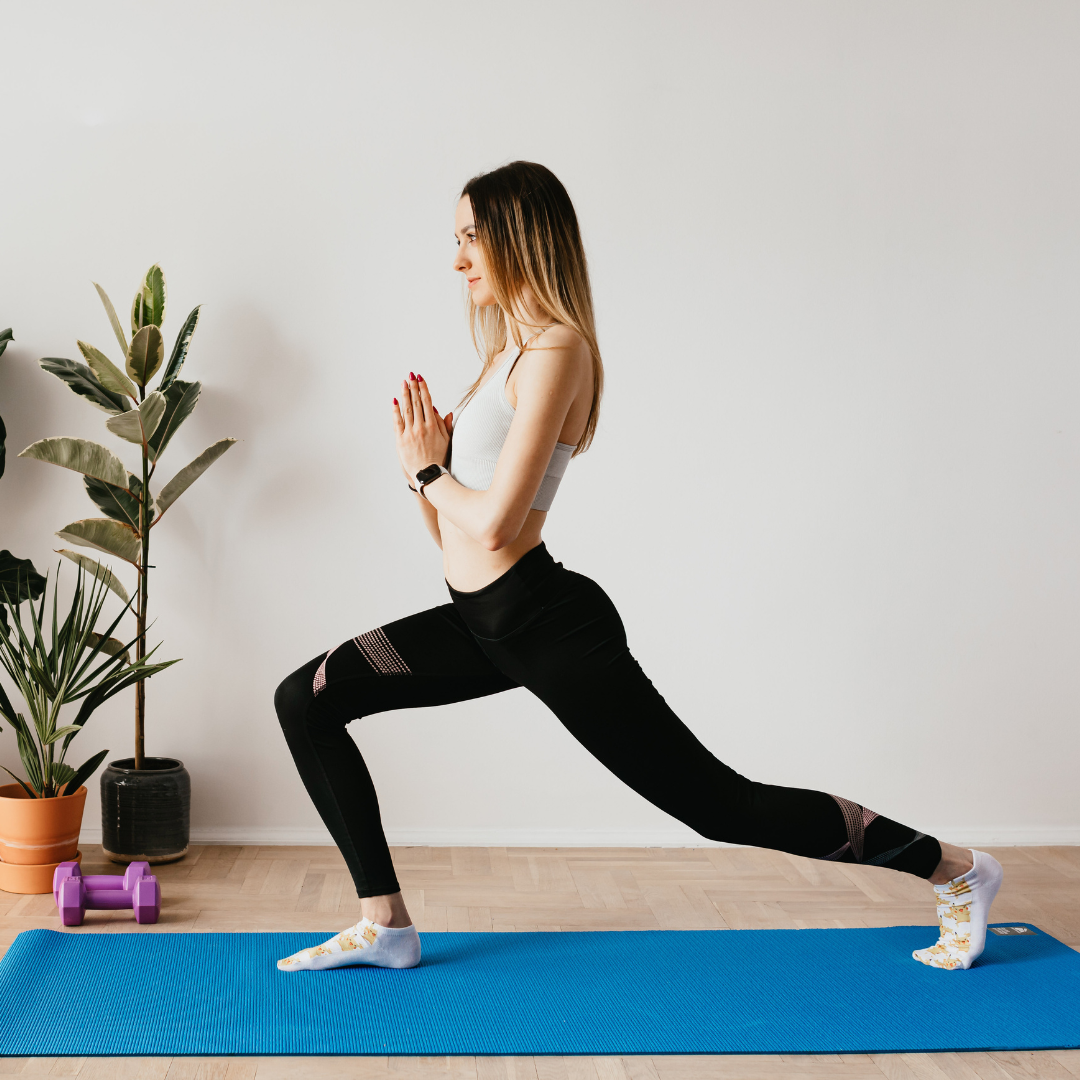
Busy schedules often leave little room for self-care, but maintaining wellness doesn’t have to be complicated. Incorporating simple habits like consistent sleep, regular hydration, and short bursts of physical activity can significantly improve your well-being despite a packed day.
These small, manageable changes fit easily into tight routines and can boost energy and focus. Prioritising mental health through mindfulness or brief moments of relaxation also helps sustain balance in a demanding lifestyle.
Building Simple Daily Wellness Rituals
Establishing small, manageable routines can improve energy, sleep, and overall well-being. Focusing on specific actions tailored to different times of the day helps maintain consistency without overwhelming a busy schedule.
Morning Habits for Increased Energy
Start with hydration. Drinking a glass of water immediately after waking supports metabolism and reduces morning grogginess.
Incorporate light stretching or a brief walk. Even 5-10 minutes of movement boosts circulation and mental alertness.
Limit caffeine intake to one moderate serving within the first hour of waking. Excess caffeine can lead to energy crashes later.
Finally, a quick, protein-rich breakfast stabilises blood sugar and sustains energy through morning tasks. Examples include Greek yoghurt, nuts, or eggs.
Evening Routines for Quality Sleep
Avoid screens at least 30 minutes before bed to reduce blue light exposure, which interferes with melatonin production.
A consistent bedtime supports circadian rhythm regulation. Aim to sleep and wake at the same times daily, even on weekends.
Create a wind-down routine. Reading a book, journaling, or practising deep breathing signals to the body that it’s time to relax.
Limit heavy meals and caffeine within 3 hours of bedtime, as these can disrupt sleep quality.
Prioritising Micro-Breaks in a Busy Schedule
Micro-breaks lasting 2-5 minutes every hour improve focus and reduce physical strain.
Use these pauses for light stretching, walking, or mindful breathing to recharge without losing momentum.
Set timers or reminders to ensure breaks are taken regularly, especially during intensive tasks.
Even short breaks can prevent burnout and maintain productivity throughout the day.
Time-Efficient Nutrition Strategies
Organising nutrition around a busy schedule requires practical steps that save time without sacrificing health. Prioritising planning, selecting quick and nutritious snacks, and maintaining hydration enhances energy and focus throughout the day.
Smart Meal Planning for Busy Lifestyles
Plan meals ahead by creating a weekly menu that emphasises simple, balanced dishes. Batch cooking proteins like chicken, beans, or tofu can reduce daily prep time significantly. Use versatile ingredients such as frozen vegetables and pre-washed greens to minimise chopping.
Keep meals nutritionally balanced with a focus on lean proteins, whole grains, and fresh produce. Preparing grab-and-go options like overnight oats or salads in jars streamlines mornings.
Investing 1-2 hours on weekends can prevent rushed, unhealthy choices. Use tools like meal planning apps or templates to stay organised and track grocery lists efficiently.
Healthy Snack Choices on the Go
Choose snacks combining protein, fibre, and healthy fats to sustain energy between meals. Examples include mixed nuts, Greek yoghurt, hummus with veggie sticks, or whole grain crackers with cheese.
Avoid snacks high in added sugars or refined carbs as they cause energy crashes. Portion snacks into reusable containers or bags to prevent overeating and save time during busy moments.
Keep snacks accessible—store a small stash at work, in the car, or in your bag. This preparation helps resist unhealthy vending machine or fast-food temptations when hunger hits unexpectedly.
Hydration Habits for Better Focus
Consistent hydration supports cognitive function and energy levels. Aim for at least 8 cups (64 ounces) of water daily, adjusting for activity level and climate.
Use reminders on your phone or hydration apps to prompt regular water intake. Carry a refillable water bottle to encourage sipping throughout the day.
Infuse water with lemon, cucumber, or mint for added flavour without calories. Limit caffeinated and sugary beverages, as they may dehydrate or cause energy fluctuations.
Effective Movement and Exercise for Busy People
Finding efficient ways to stay active despite a tight schedule requires strategic planning and simple adjustments. Focusing on short, manageable workouts, movements that fit office routines, and integrating activity into daily commutes can significantly improve overall wellness.
Incorporating Short Workouts into Daily Life
Short workouts of 10 to 20 minutes can boost energy and fitness without demanding much time. High-intensity interval training (HIIT) is effective, combining brief bursts of intense activity with rest periods. Bodyweight exercises like squats, push-ups, and planks can be done anywhere, requiring no equipment.
Scheduling workout sessions during breaks or early mornings helps build consistency. Even a quick 5-minute stretch or mobility routine throughout the day supports muscle flexibility. Using apps or timers can keep workouts focused and efficient.
Desk and Office-Friendly Exercises
For those spending extended hours sitting, simple desk exercises reduce stiffness and improve circulation. Seated leg lifts, shoulder shrugs, and seated marches can be completed without leaving the workspace. These movements help counteract posture-related issues.
Standing or walking meetings encourage movement without interrupting work. Adjusting desk height for standing or using a balance board activates core muscles. Frequent short breaks for stretching — even just 1-2 minutes every hour — support physical health during long desk sessions.
Active Commuting Tips
Walking or biking to work adds consistent physical activity without extra time commitment. Choosing routes with varied terrain increases cardiovascular benefits. For those using public transport, getting off a stop earlier to walk part of the way is a practical option.
Parking farther from entrances or taking stairs instead of elevators fosters more movement. When driving is necessary, a few quick stretches post-commute help ease muscle tension. These habits transform daily travel into wellness opportunities.
Practical Stress Management Techniques
Effective stress management involves simple actions that can be done anytime, anywhere. These include brief mental resets, controlled breathing exercises, and managing digital distractions.
Quick Mindfulness Practices
Mindfulness helps bring focus to the present moment, reducing feelings of overwhelm. A quick practice is the “5-4-3-2-1” technique, where you identify five things you see, four you can touch, three you hear, two you smell, and one you taste. This exercise grounds your awareness and interrupts stress patterns.
Another approach is to spend 1-3 minutes focusing solely on your breath or on the sensations of your body. This pause helps re-centre your attention and decrease racing thoughts. Mindfulness apps or simple timers can guide these short breaks, making them easy to fit into a busy day.
Breathing Techniques for Instant Calm
Breathing exercises reduce physiological stress responses in minutes. One effective method is box breathing: inhale slowly for 4 seconds, hold for 4, exhale for 4, and hold again for 4 seconds. Repeat this for 3-5 cycles to activate the parasympathetic nervous system.
Another technique is the 4-7-8 breath. Inhale for 4 seconds, hold for 7, then exhale slowly over 8 seconds. This pattern lowers heart rate and promotes relaxation without needing special equipment.
Both methods are discreet, allowing use in meetings or public places. They help reset anxiety quickly and improve mental clarity.
Setting Healthy Boundaries with Technology
Digital devices can extend work hours and increase stress. Setting limits on notifications and screen time helps preserve mental space.
Create “tech-free” zones or times, such as during meals or before sleep, to reduce constant connectivity. Use app timers or built-in settings to block distracting sites during focused work hours.
Prioritise checking emails and messages at scheduled intervals rather than continuously. This practice reduces stress and improves productivity by preventing constant task switching.
Optimising Sleep for Maximum Recovery
Consistent timing, a calming environment, and reduced evening screen use are key to improving sleep quality. These actions help regulate the body’s internal clock, lower stress, and promote deeper rest.
Establishing a Consistent Sleep Schedule
Going to bed and waking up at the same time daily strengthens your circadian rhythm. This regularity makes falling asleep easier and improves overall sleep depth.
Aim for 7 to 9 hours of sleep each night, even on weekends. Irregular sleep patterns can disrupt hormone production and lead to fatigue.
Use alarms or reminders to stick to your schedule. Avoid staying in bed awake; if you can’t sleep within 20 minutes, get up and do a quiet activity until tired.
Creating a Restful Bedroom Environment
Your bedroom should support relaxation and limit disruptions. Keep the room cool, ideally between 60-67°F (15-19°C), as cooler temperatures favour sleep.
Use blackout curtains or eye masks to block light. Noise can also interfere, so consider white noise machines or earplugs if needed.
Choose a comfortable mattress and pillows. Remove electronics and clutter that may cause stress or distraction before bedtime.
Limiting Screen Time Before Bed
Blue light from phones, tablets, and computers suppresses melatonin, a hormone that signals sleep. Avoid screen use at least 1 hour before bed.
If screen use is necessary, enable blue light filters or use apps designed to reduce blue light exposure in the evening.
Replace screen time with calming activities like reading a book or gentle stretching. These practices help your mind prepare for rest and improve sleep onset.
Enhancing Mental Wellness Throughout the Day
Maintaining mental wellness requires deliberate actions that fit into a busy schedule. Focusing on achievable goals, moments of gratitude, and social connections can sustain emotional balance.
Setting Realistic Daily Goals
Break down tasks into manageable steps. Prioritise three to five essential tasks daily to avoid overwhelm. This helps maintain focus and provides a sense of accomplishment.
Use tools like to-do lists or calendar reminders to stay organised. Adjust expectations based on energy levels and commitments. Setting clear boundaries between work and rest prevents burnout.
Review goals at the end of the day. Celebrate progress, even if all tasks aren’t completed. This practice builds motivation and reinforces positive habits.
Practising Gratitude in Busy Moments
Take brief pauses to reflect on positive aspects during the day. This can be done in as little as 30 seconds, focusing on things like supportive colleagues or a moment of calm.
Use simple journaling apps or a physical notebook to jot down three things you’re grateful for each day. This anchors attention on positive experiences without interrupting your schedule.
Regular gratitude shifts the mindset away from stress and towards appreciation. This can reduce feelings of anxiety and improve overall mood during busy periods.
Seeking Social Connection Despite a Full Calendar
Schedule short, meaningful interactions with friends or family. Even a 10-minute check-in call can strengthen relationships and relieve stress.
Combine social time with other activities, like exercising with a partner or having walking meetings. This maintains a connection without requiring extra time.
Leverage digital tools to send quick messages or engage in group chats. Consistent social contact supports emotional health and prevents feelings of isolation.
Leveraging Technology for Wellness Support
Technology can streamline wellness routines, making them easier to maintain despite a busy schedule. Effective tools include apps that organise habits, devices that monitor health metrics, and strategies to manage screen time without losing productivity.
Wellness Apps That Save Time
Wellness apps can automate reminders for hydration, exercise, and mindfulness, reducing the need for manual tracking. Apps like MyFitnessPal and Headspace sync with calendars, integrating seamlessly into daily plans.
Many apps offer customizable features such as goal setting and progress reports. This personalisation allows users to focus on key wellness areas without feeling overwhelmed.
Some include quick guided sessions or micro-habits that fit into small breaks, which is ideal for busy people. Using these apps regularly supports consistent behaviour without adding extra time commitments.
Wearable Devices for Health Tracking
Wearable devices such as fitness trackers and smartwatches provide real-time data on activity levels, heart rate, sleep patterns, and stress. Brands like Fitbit and Apple Watch offer detailed reports that help users adjust their routines based on objective feedback.
These devices often sync with wellness apps to provide a full picture of health metrics in one interface. This integration facilitates actionable insights rather than raw data.
Many wearables feature reminders to move or breathe, encouraging small but effective interventions throughout the day. This helps to avoid extended sedentary periods and supports mental breaks during high workload times.
Digital Detox Routines for Better Focus
Incorporating digital detox periods can improve concentration and reduce screen fatigue. Techniques include scheduled phone-free blocks during work hours or before bedtime.
Setting app limits and using “Do Not Disturb” modes helps control distracting notifications. Some tools automate these settings, ensuring the user sticks to their detox plan.
Regular breaks away from screens foster better sleep quality and mental clarity. Establishing specific offline activities, like reading or walking, enhances these benefits without sacrificing productivity.
Sustainable Habit Building for Lasting Results
Creating habits that stick requires practical strategies and consistent effort. Efficiently linking new behaviours to current routines and systematically monitoring progress helps maintain motivation and solidify lasting change.
Habit Stacking to Maximise Impact
Habit stacking involves attaching a new habit to an already established one. This leverages existing neural pathways to make adopting new behaviours easier. For example, if you brush your teeth every morning, you might add a quick 5-minute stretch immediately after.
To implement habit stacking effectively:
- Identify strong daily habits you already do reliably.
- Choose a new habit that logically fits before or after the existing one.
- Keep the new habit small and simple initially.
- Use clear cues to trigger the new behaviour within your routine.
This method reduces decision fatigue because the new habit becomes part of an automatic sequence.
Tracking Progress and Celebrating Wins
Tracking progress reinforces commitment and reveals patterns. Use a habit tracker app, journal, or calendar to mark each day the habit is completed. Visual feedback, like streaks or checkmarks, improves accountability.
Celebrating small victories is critical. Recognition can be self-praise, a small reward, or sharing progress with someone supportive. This positive reinforcement strengthens the habit loop.
Consider these tracking tips:
| Tracking Method | Purpose | Example |
| Daily logging | Maintains awareness | Check off calendar days |
| Weekly review | Adjusts strategies | Reflect on what’s working |
| Rewards | Boosts motivation | Treat yourself weekly |
Conclusion
Wellness habits fit best when they integrate smoothly into a busy lifestyle. Small, consistent actions often deliver better results than occasional large efforts.
Prioritise sleep, hydration, and movement. These form the foundation for sustained energy and focus throughout the day.
Use tools like reminders or habit trackers to stay accountable. The key is to create routines that require minimal extra effort.
Consider this simple checklist for daily wellness:
- Drink 8 glasses of water
- Take short breaks for stretching
- Practice deep breathing for 2 minutes
- Get at least 7 hours of sleep
Adapting wellness habits means adjusting based on what works and what doesn’t. Flexibility helps maintain balance without additional stress.
Ultimately, wellness is a continuous process. Building manageable habits leads to steady improvements in physical and mental health.