
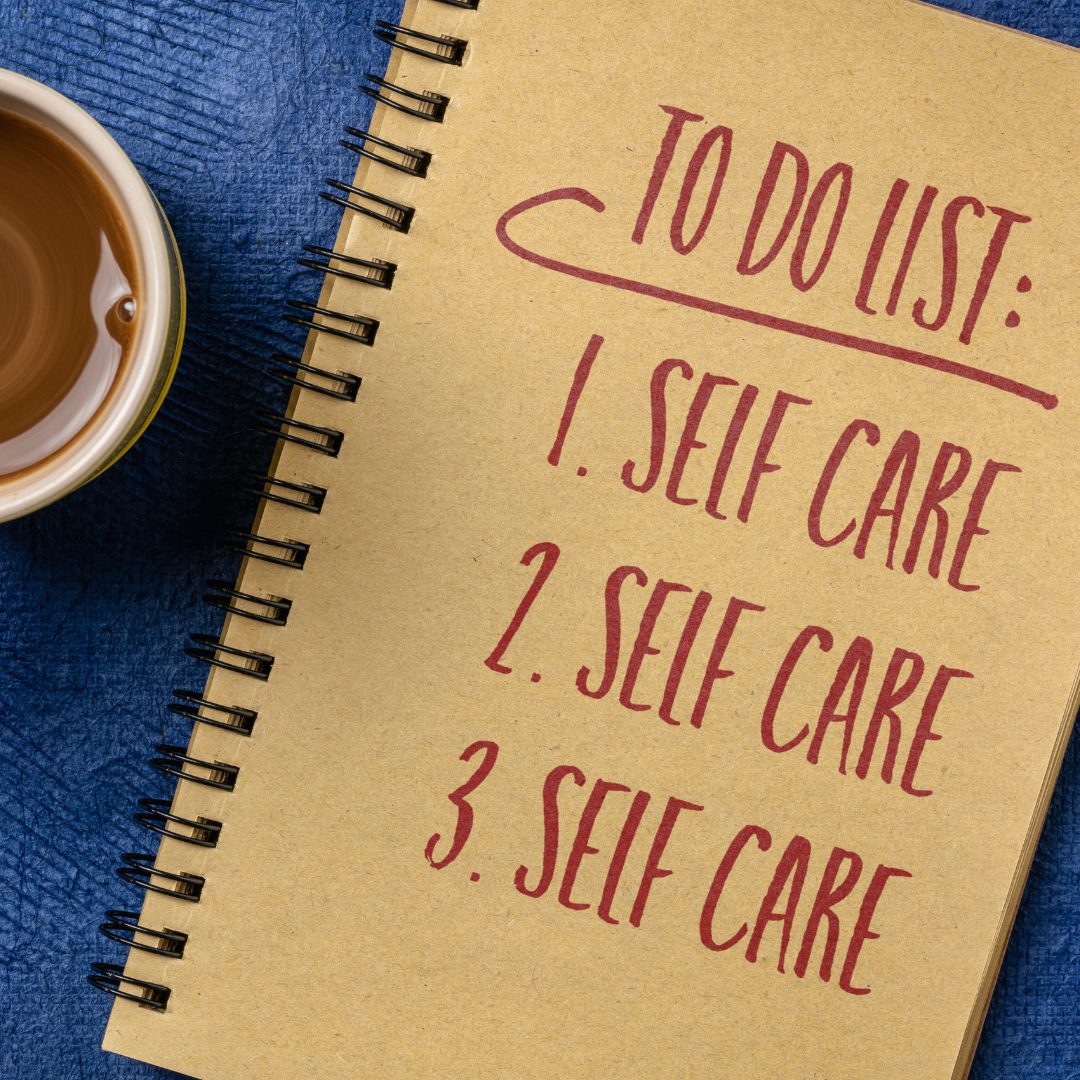
Self-care is essential for maintaining overall wellness, involving intentional practices to support physical, mental, and emotional health. The best self-care practices prioritise consistent habits like proper sleep, balanced nutrition, regular physical activity, and mindful stress management. These foundational actions create a strong base for sustained well-being.
In addition to these basics, self-care includes setting healthy boundaries, engaging in activities that bring joy, and seeking social connection. Wellness improves when individuals listen to their unique needs and adjust routines accordingly. This guide will explore practical, effective ways to enhance self-care for everyday life.
Understanding Self-Care
Self-care involves intentional actions to maintain physical, mental, and emotional health. It requires awareness of personal needs and consistent efforts to meet them in practical ways. Misunderstandings about self-care can limit its effectiveness and impact.
Defining Self-Care
Self-care is any activity undertaken deliberately to preserve or improve one’s well-being. It spans physical activities like exercise and nutrition, mental practices such as mindfulness, and emotional efforts, including setting boundaries. This approach is proactive, aiming to prevent stress or burnout rather than only reacting to problems.
Key elements include:
- Regular rest and sleep
- Balanced diet and hydration
- Stress management techniques
- Seeking professional help when needed
Self-care is distinct from indulgence; it prioritises health over short-term pleasure or avoidance.
The Importance of Self-Care for Wellness
Consistent self-care supports overall wellness by strengthening resilience against illness and stress. Physically, it improves energy, immune function, and sleep quality. Mentally, it enhances focus, emotional regulation, and reduces anxiety.
People who practice self-care tend to have better productivity and relationships because they manage stress more effectively. Wellness requires ongoing commitment, not occasional acts. Prioritising self-care improves quality of life and reduces risks of chronic conditions.
Common Misconceptions About Self-Care
Many believe self-care is selfish or a luxury. However, it is essential for maintaining health and helps individuals support others better. Some also think self-care means only pampering activities, but it includes difficult choices like saying no or seeking therapy.
Another misconception is that self-care takes a lot of time or money. In reality, simple habits like drinking water, taking short breaks, or deep breathing can be effective. Understanding these facts encourages realistic and consistent self-care routines.
Foundational Self-Care Practices
Establishing regular habits that support the body’s core needs is essential for maintaining health. Attention to rest, nutrition, movement, and fluid intake forms the base for overall wellness and influences mental and physical performance.
Prioritising Sleep Hygiene
Sleep hygiene refers to behaviours and environmental factors that promote quality sleep. Aim for 7-9 hours of uninterrupted rest each night. Establish a consistent bedtime and wake time, even on weekends, to regulate your internal clock.
Limit exposure to screens and bright lights at least 30 minutes before bed. Create a sleep-friendly bedroom: cool, dark, and quiet. Avoid caffeine and heavy meals close to bedtime. Relaxation techniques, such as deep breathing or light stretching, can help prepare the body for sleep.
Balanced Nutrition
A well-rounded diet includes a variety of whole foods, ensuring sufficient intake of macronutrients and micronutrients. Prioritise vegetables, fruits, whole grains, lean proteins, and healthy fats. Limit processed foods high in added sugars and saturated fats.
Focus on portion control and meal timing to stabilise energy levels and metabolism. Consuming a mix of complex carbohydrates, protein, and fats at each meal supports satiety and nutrient absorption. Reading nutrition labels helps make informed choices.
Consistent Physical Activity
Regular movement improves cardiovascular health, muscular strength, and mental clarity. Aim for at least 150 minutes of moderate exercise or 75 minutes of vigorous activity weekly, combined with strength training twice a week.
Activities can include walking, cycling, swimming, or weightlifting. Consistency matters more than intensity. Incorporating short exercise sessions into daily routines, like taking stairs or stretching breaks, adds up and supports mobility and resilience.
Hydration for Overall Health
Adequate fluid intake supports digestion, circulation, temperature regulation, and cognitive function. A general guideline is about 3.7 litres (125 ounces) for men and 2.7 litres (91 ounces) for women daily, but individual needs vary by climate, activity, and health status.
Water is preferred, but other fluids like herbal teas count toward hydration. Limit sugary drinks and excessive caffeine. Drinking small amounts regularly throughout the day helps maintain balance better than consuming large quantities infrequently.
Mental and Emotional Wellness
Managing mental and emotional health requires practical techniques that reduce daily pressures and improve internal balance. Developing steady practices can help maintain clarity, regulate mood, and strengthen emotional control.
Stress Management Techniques
Effective stress management begins with identifying specific triggers. Common tactics include time-blocking for tasks and taking scheduled breaks to avoid burnout.
Physical activity is a powerful stress reducer. Even a 10-minute walk can lower cortisol levels and improve mood.
Breathing exercises, such as the 4-7-8 method, calm the nervous system. Writing down worries also helps externalise concerns, making them easier to address.
Using a stress journal to track patterns can reveal chronic sources to tackle more deliberately. Combining these tactics creates a personalised toolkit for managing everyday pressures.
Mindfulness and Meditation
Mindfulness encourages full attention to the present moment without judgment. Starting with short sessions of focused breathing or body scans can build this skill effectively.
Daily meditation sessions lasting 5-15 minutes improve focus and reduce anxiety symptoms over time. Apps and guided audio can support beginners until self-guidance develops.
Practising mindful awareness during routine activities, like eating or walking, promotes sustained calm. This approach helps break automatic stress responses and creates mental space for thoughtful decisions.
Consistency is key; integrating mindfulness into daily life supports greater emotional regulation and mental clarity.
Building Emotional Resilience
Emotional resilience enables recovery from setbacks and adaptability during change. Developing this trait involves recognising emotions accurately and practising constructive responses.
Techniques like cognitive reframing help challenge negative thought patterns. For example, converting “I failed” into “I learned what to improve” shifts the mindset positively.
Maintaining strong social connections provides a support network during difficult times. Regular interaction with trusted friends or family enhances coping ability.
Setting realistic goals and celebrating small achievements reinforces confidence. These habits collectively strengthen emotional endurance and reduce vulnerability to stress.
Social and Relational Wellness
Building strong social connections requires intention, clear communication, and awareness of personal limits. Developing healthy relationships and knowing when to seek help are key elements in maintaining emotional balance and well-being.
Nurturing Healthy Relationships
Healthy relationships are based on mutual respect, trust, and honest communication. Regularly checking in with loved ones and actively listening fosters deeper understanding and emotional support.
Prioritise spending quality time with people who uplift you. Engage in activities that strengthen bonds, such as shared hobbies or meaningful conversations.
Avoid toxic dynamics by recognising patterns of manipulation, criticism, or disrespect. Address conflicts early with calm, clear dialogue to prevent escalation.
Setting Healthy Boundaries
Boundaries define what behaviour is acceptable and safeguard personal well-being. Clearly express your limits regarding time, emotional availability, and physical space.
Use “I” statements to communicate needs without blame. For example: “I need quiet time after work to recharge.”
Respect others’ boundaries as well to build mutual trust. Boundaries prevent burnout and maintain balanced interactions.
Practice saying no confidently when requests conflict with your priorities. Consistency is crucial for boundaries to be effective.
Seeking Support When Needed
Recognising when professional or social support is necessary is a vital self-care practice. Engage counsellors, support groups, or trusted friends during times of stress or emotional difficulty.
Asking for help does not indicate weakness but shows self-awareness and responsibility for your mental health.
Use available resources, such as therapy hotlines or community programs, especially during significant life changes or crises.
Regularly evaluate your support network to ensure it provides constructive and empathetic assistance.
Personal Growth and Purpose
Fostering personal growth and defining a clear sense of purpose can strengthen overall wellness. This involves setting meaningful goals aligned with individual values and committing to continuous learning to adapt and improve.
Goal Setting for Wellbeing
Effective goal setting focuses on specific, measurable, and achievable targets related to physical, mental, and emotional health. Breaking down larger goals into smaller steps improves motivation and progress tracking.
Use the SMART framework:
| Criteria | Description |
| Specific | Clearly define what you want to achieve |
| Measurable | Set criteria to measure progress |
| Achievable | Ensure goals are realistic and attainable |
| Relevant | Align goals with personal values and wellness |
| Time-bound | Set deadlines to maintain focus and urgency |
Write goals down and review them regularly. Adjust as needed to reflect changes in lifestyle or priorities.
Embracing Lifelong Learning
Lifelong learning supports wellness by keeping the mind active and adaptable. Engaging with new skills or knowledge prevents stagnation and can improve self-esteem and mental agility.
Incorporate learning into daily routines through reading, online courses, or hands-on experiences. Focus on topics that enhance critical thinking or contribute to professional and personal interests.
Consistent learning also encourages flexibility, making it easier to face challenges and adjust to new circumstances.
Environmental Self Care
A well-designed personal space and mindful use of technology can strongly influence mental and physical wellness. Adjusting surroundings and digital habits supports sustained balance and reduces unnecessary stress.
Creating a Supportive Environment
Optimise your living or workspace by prioritising natural light and good air quality. Position a desk near a window if possible, and consider adding plants to improve air purification and boost mood.
Declutter regularly to reduce visual stress and improve focus. Use storage solutions like labelled bins or shelves to keep areas neat. Select calming colours such as blues or greens to promote relaxation.
Control noise levels by using sound-absorbing materials or white noise machines. Personalise spaces with meaningful objects that evoke positive feelings and reinforce motivation throughout the day.
Digital Wellness Practices
Limit screen time by scheduling regular breaks using techniques like the Pomodoro method. This reduces eye strain and mental fatigue. Adjust device settings—lower blue light exposure through night mode or blue light filters in the evening.
Organise digital files and delete unnecessary apps to minimise distractions. Turn off non-essential notifications or use “Do Not Disturb” modes during focused periods.
Set boundaries for work-related communications after hours to prevent burnout. Engage in offline hobbies and daily moments free from devices to promote presence and mental clarity.
Incorporating Self-Care Into Daily Life
Creating effective self-care strategies requires consistent effort and addressing common obstacles. Prioritising small, manageable habits and recognising personal challenges can improve overall wellness.
Building Sustainable Self-Care Routines
Start by identifying activities that fit your interests and schedule. Consistency matters more than intensity, so aim to integrate habits like short mindfulness exercises, hydration reminders, or quick stretching breaks.
Use tools such as habit trackers or calendar alerts to maintain regular practice. Set clear goals, for example, drinking eight glasses of water daily or walking 10 minutes after lunch. Adjust routines based on what feels achievable to avoid burnout.
Establishing fixed times for self-care can create predictability. For instance, dedicate 5 minutes each morning to deep breathing or journaling. Over time, these routines become automatic parts of your day.
Overcoming Barriers to Self-Care
Common barriers include lack of time, motivation, and feelings of guilt. Address time constraints by breaking activities into small segments or combining them with daily tasks, like stretching while watching TV.
To boost motivation, track progress visually or reward yourself for consistency. Reframe self-care as necessary for productivity and health, which can reduce feelings of guilt or selfishness.
Social support also helps; share goals with friends or family to create accountability. If negative thoughts prevent participation, consider professional guidance to develop coping strategies.
Evaluating and Evolving Your Self-Care Plan
Regular review and adjustment are essential to maintain an effective self-care routine. Consistent tracking provides insight into what works, while flexibility allows adaptation to changing needs and circumstances.
Tracking Your Progress
Use a journal or digital app to record daily habits and emotional states. Note activities, duration, and their impact on mood or energy. This data highlights patterns, such as which practices boost relaxation or improve sleep.
Set measurable goals like exercising three times a week or meditating for ten minutes daily. Review progress weekly or monthly to see if targets are being met. Adjust frequency or intensity based on results.
Tracking tools can include:
- Habit trackers
- Mood logs
- Sleep diaries
Regular monitoring helps identify barriers and successes clearly. It offers a factual basis for refining your plan rather than relying on memory or assumptions.
Adapting Practices Over Time
Health and lifestyle change, so your self-care plan must evolve accordingly. Shift your focus if certain practices no longer serve your goals or if new challenges arise.
For example, increase physical activity if energy levels improve, or add calming routines during stressful periods. Be open to replacing less effective habits with evidence-based alternatives, such as swapping social media time for reading.
Evaluate environmental and emotional factors regularly. Seasonal changes, work demands, or relationships may require adjusting your schedule or prioritising different wellness activities.
Flexibility ensures your self-care remains relevant and effective. Reassess every 3-6 months to keep your plan aligned with your current wellbeing needs.