
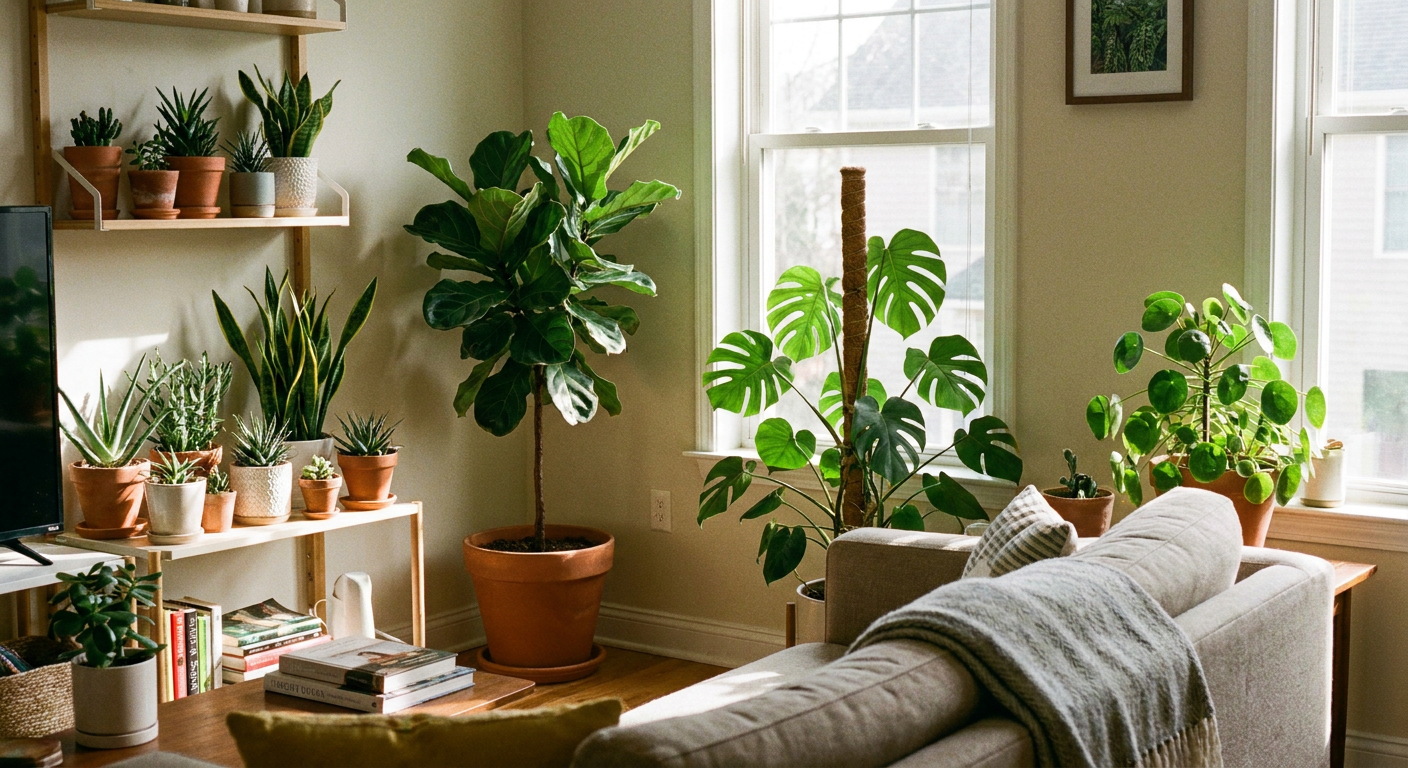
Indoor plants can play a crucial role in enhancing mood and boosting productivity. Certain species, such as the Peace Lily and Snake Plant, are known not only for their aesthetic appeal but also for their ability to purify the air and create a calming environment. By incorporating these plants into work or living spaces, individuals may find themselves feeling more focused and energised.
Research suggests that greenery can reduce stress levels and increase feelings of well-being. This makes the right indoor plants an excellent addition to any home or office. Individuals looking to improve their mental state and work efficiency will benefit from exploring the best options available.
In this blog post, readers will discover a selection of indoor plants specifically chosen for their mood-enhancing properties and productivity-boosting capabilities. Each plant’s unique benefits will be highlighted, providing practical tips for integrating these natural elements into daily routines.
Why Indoor Plants Improve Mood and Productivity
Indoor plants serve as more than just decorative elements; they significantly influence mood and productivity. Their presence can enhance mental well-being, focus, and creativity, making them valuable additions to any indoor environment.
Mental Health Benefits of Houseplants
Houseplants contribute positively to mental health by fostering a calming atmosphere. Studies indicate that visual exposure to greenery can alleviate symptoms of depression and anxiety. This effect can be attributed to the soothing influence of nature, which promotes feelings of happiness and contentment.
Additionally, caring for plants can instil a sense of responsibility and accomplishment. Engaging with plants through watering, pruning, and monitoring growth can serve as a therapeutic outlet, further supporting emotional well-being.
How Plants Enhance Concentration and Creativity
Incorporating plants into workspaces can lead to improved concentration and creativity. Research shows that the presence of houseplants enhances cognitive function and attention levels. Greenery in the environment helps individuals focus better on tasks, reducing fatigue and enhancing overall performance.
Plants can also stimulate creative thinking. A natural setting encourages innovative ideas and problem-solving abilities, making it easier for individuals to brainstorm and think outside the box.
The Role of Plants in Reducing Stress and Anxiety
Indoor plants can effectively reduce stress and anxiety levels. The act of being around greenery lowers cortisol, the stress hormone. This reduction leads to a more relaxed atmosphere, beneficial for both personal and professional settings.
Additionally, watching plants grow can foster a sense of connection to nature, which is often lacking in urban environments. This connection can act as a buffer against the stresses of daily life, allowing individuals to feel more grounded and balanced.
In summary, incorporating indoor plants can play a significant role in enhancing mood and productivity, contributing positively to an individual’s quality of life.
Top Indoor Plants to Boost Mood and Productivity
Selecting the right indoor plants can significantly enhance mood and productivity. Specific types provide air purification, require minimal maintenance, and are associated with positivity and good fortune.
Best Air-Purifying Plants
Air quality plays a crucial role in mood and concentration. Plants like the snake plant, peace lily, and English ivy excel in filtering pollutants, thus promoting a healthier environment.
- Snake Plant: Easy to care for and able to produce oxygen at night, this plant thrives in low light and needs minimal watering.
- Peace Lily: Not only does it bloom beautiful white flowers, but it also absorbs harmful toxins like formaldehyde and benzene.
- English Ivy: Effective in reducing airborne allergens, it’s perfect for bedrooms or workspaces.
Including these plants can create a fresher atmosphere conducive to productivity.
Low-Maintenance Options for Busy Lifestyles
For those with hectic schedules, low-maintenance options are ideal. The spider plant, pothos, and jade plant require little attention yet offer numerous benefits.
- Spider Plant: Known for its resilience, it needs occasional watering and thrives in various lighting conditions.
- Pothos: This trailing plant can tolerate neglect and is excellent for hanging baskets or shelves, adding greenery without much effort.
- Jade Plant: A type of succulent, it requires infrequent watering and is thought to bring wealth and prosperity.
These plants prove that it’s possible to cultivate a lively space without frequent upkeep.
Plants for Positivity, Prosperity, and Good Luck
Certain plants are linked to positive energy and good fortune. The money plant, lavender, and orchids are particularly favoured for their believed attributes.
- Money Plant: Also known as the pothos, it symbolises wealth and success, making it a common choice in homes and offices.
- Lavender: Renowned for its calming properties, it can enhance focus and reduce stress, turning any workspace into a relaxing haven.
- Orchids: These elegant plants are associated with beauty and strength and can uplift any room with their exquisite blooms.
Incorporating these varieties can contribute to an environment that encourages both productivity and a positive mindset.
Environmental Benefits of Indoor Plants
Indoor plants significantly enhance the living environment by purifying air and promoting better sleep quality. They contribute to improved well-being by creating a healthier atmosphere.
Improving Indoor Air Quality by Removing Toxins
Indoor plants are effective air purifiers, capable of absorbing harmful toxins present in household environments. Common indoor pollutants include formaldehyde, benzene, and carbon monoxide, which can stem from building materials and cleaning products.
Plants such as the Spider Plant, Peace Lily, and Bamboo Palm are particularly adept at filtering these harmful substances. They not only improve air quality but also increase humidity, which can alleviate respiratory issues.
A study by NASA highlights that certain plants can remove up to 87% of air toxins within a 24-hour period. By incorporating these plants into indoor spaces, individuals can create a fresher and healthier living environment.
Supporting Better Sleep and Pain Tolerance
Certain indoor plants can contribute to better sleep quality and help manage pain tolerance. Plants like the Lavender and Aloe Vera are known for their calming effects, which can create a more peaceful bedroom atmosphere.
Research indicates that Lavender can reduce anxiety levels and promote relaxation, aiding in a deeper sleep cycle. Additionally, the presence of indoor plants can decrease noise levels and create a more tranquil environment.
Improved air quality also plays a role in sleep health. Cleaner air can reduce allergens and irritants, enabling more restful slumber. This combination of factors can enhance pain tolerance by allowing for better rest and recovery.
Creating a Supportive Indoor Gardening Space
An inviting indoor gardening space can greatly enhance well-being and productivity. Thoughtful considerations for plant care and collaboration with partners contribute to a vibrant environment.
Best Practices for Plant Care and Placement
Selecting the right houseplants is crucial for a supportive gardening space. Low-maintenance plants like snake plants, peace lilies, and pothos are ideal for beginners. They thrive in various lighting conditions and improve air quality.
Starting with small pots inside the house helps build confidence before you try larger outdoor projects. Many people find that learning about container gardening for beginners helps them understand how soil, drainage, and sunlight work together. These basic skills are easy to learn and apply to any small space. Once you master the basics of pot selection and watering, you can easily grow flowers or herbs on a patio or windowsill.
Proper placement significantly impacts plant health and mood. North-facing windows offer gentle light, ideal for shade-loving plants. In contrast, south-facing windows suit light-loving species.
Establish a consistent care routine. Water plants when the top inch of soil feels dry, ensuring they do not sit in water. Regularly dust leaves to maximise their ability to photosynthesise. Engaging with plants through maintenance activities boosts satisfaction and connection to the indoor space.
Encouraging Wellness Through Gardening With Partners
Gardening can become a fulfilling social activity, especially when shared. Collaborating with a partner enhances motivation and enjoyment while tending to houseplants.
Setting shared goals, such as nurturing a herb garden or maintaining a succulent collection, fosters teamwork. This partnership can lead to personalised plant care routines and help keep each other accountable.
Creating a small indoor gardening group can also provide support and a sense of community. Sharing experiences and tips can further enrich the gardening journey. Regular discussions about plant need not only improve care but also strengthen interpersonal bonds.